Hurghada and Zafarana Are Getting New Desalination Plants, as Four More Are Built in Safaga, El Quseir, Marsa Alam and Ras Ghareb
Ministers are moving to tender two more desalination plants, in Hurghada and at Zafarana, while the four already tendered are followed up — and water tankers serving areas still on rotation are to be tracked more closely.
28 September 2026
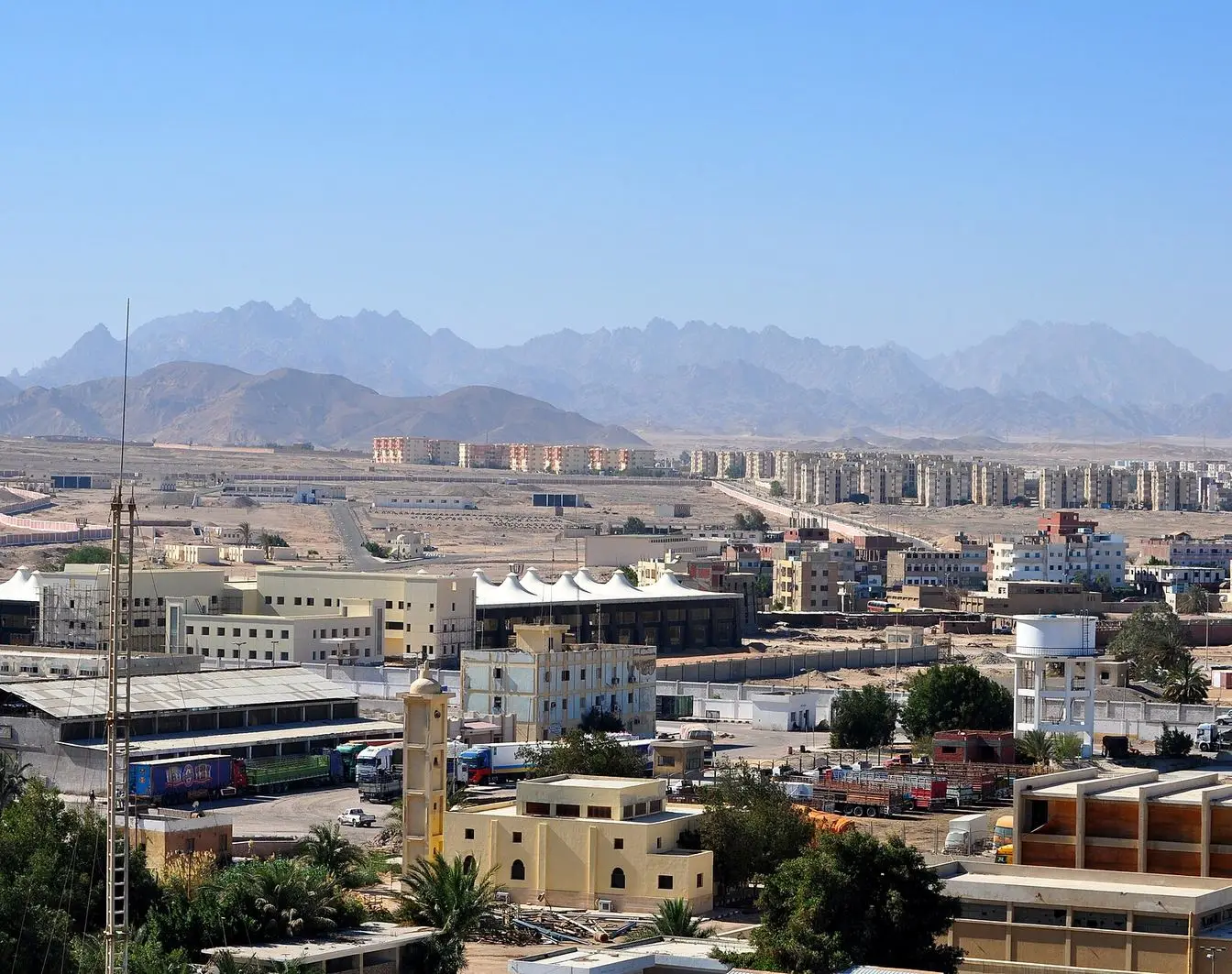
The government is moving to tender two new desalination plants, one in Hurghada and one in the Zafarana area, while the executive position of the four plants already tendered — in Safaga, El Quseir, Marsa Alam and Ras Ghareb — is followed up, according to Al-Masry Al-Youm.
The work is being coordinated between the Ministry of Housing, Utilities and Urban Communities, the Red Sea governorate, the National Organisation for Potable Water and Sanitary Drainage, and the Holding Company for Water and Wastewater. The stated aim is to raise the volume of drinking water produced by desalination, close the water deficit and secure what residents, tourist cities and new urban areas need, as the governorate keeps growing.
Eng Ahmed Omran, deputy housing minister for utilities, inspected the Red Sea Water and Wastewater Company's works on a field tour, on instructions from housing minister Eng Randa El-Menshawy. He was joined by Eng Mostafa El-Shimy, chairman of the holding company, Maj Gen Eng Assem Shokr, its deputy head, and Maj Gen Eng Bahaa Abdel Moneim, head of the Red Sea water company.
The sites visited, with the capacities given:
- Safaga desalination plant, 7,000 cubic metres a day
- The site of the new Safaga plant, 30,000 cubic metres a day
- Al-Yosr desalination plant, 80,000 cubic metres a day
- A triple-treatment plant, 90,000 cubic metres a day
- Wastewater plant "H", designed for 117,000 cubic metres a day
- The new Dahar water pumping station
Omran pressed for Al-Yosr's output and the efficiency of its components to be maintained, saying stable drinking water supply in Hurghada depends on it, and called for losses to be cut and illegal connections stopped. El-Shimy called for tighter control of water stations and distribution points, continuous monitoring of how much water is produced and delivered, and closer tracking of the tankers carrying drinking water — checking that they are sent where they are actually needed, particularly in areas still on rotation schedules and tanker deliveries.
That last point lands on a problem this site has reported: El Quseir residents say piped water now reaches them only every 8 to 10 days, with families buying it by the jerrycan. The sources give no tender dates, no costs and no completion dates for the Hurghada and Zafarana plants.