A 15-Metre Water Cistern Uncovered at Aydhab, the Red Sea's Medieval Pilgrim Port
Archaeologists have found a group of large water cisterns at Aydhab in the far south of the Red Sea coast, including a main tank about 15.1 metres long, built of sandstone and coral stone and sealed with lime plaster, according to Youm7.
1 October 2026
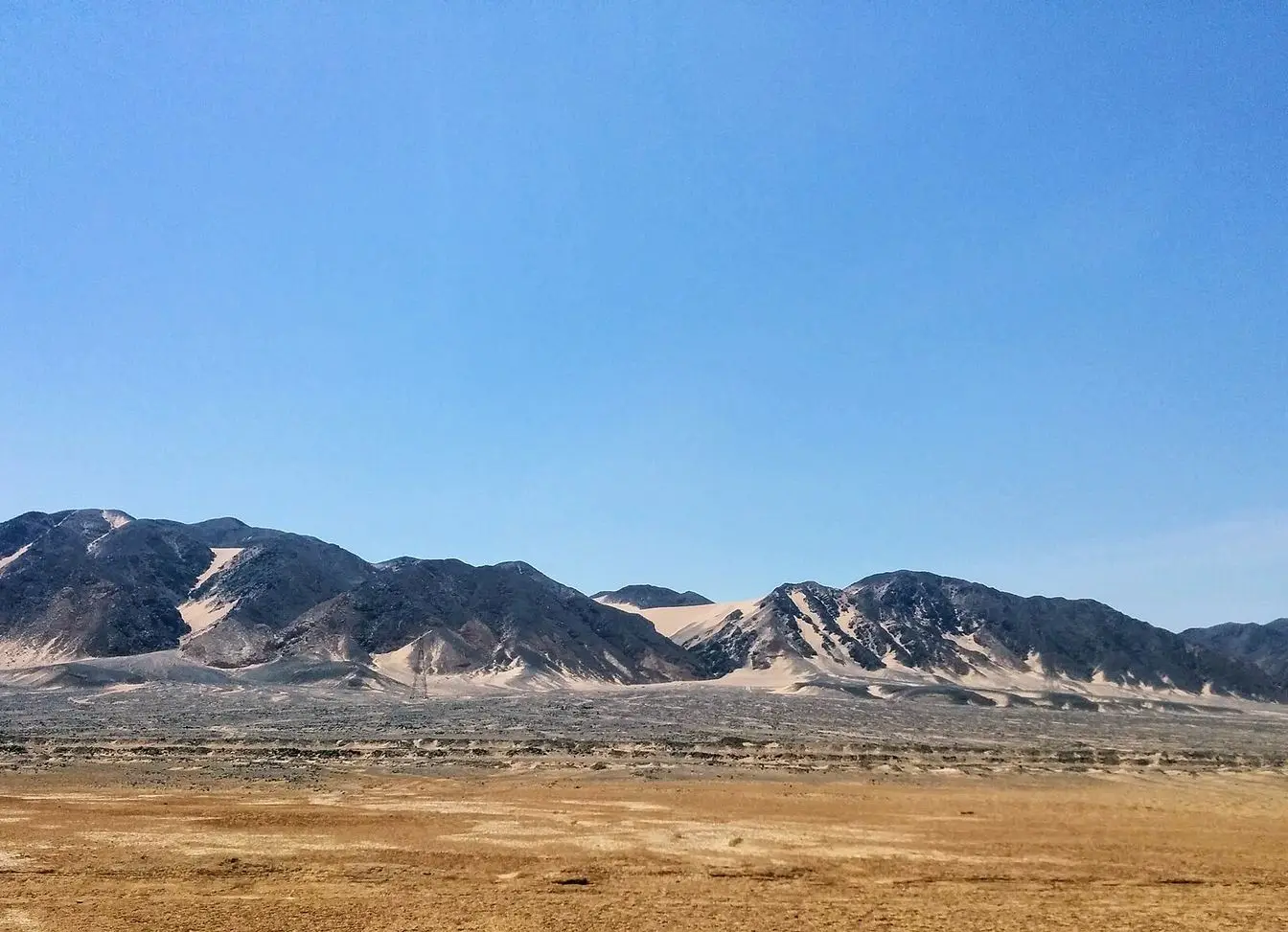
Egyptian archaeologists have uncovered a group of large water cisterns at Aydhab, the medieval port in the far south of Egypt's Red Sea coast, including a main tank about 15.1 metres long, 3.15 metres wide and close to three metres high, according to Youm7.
Mohamed Abu El-Wafa, director of archaeological awareness at the Red Sea antiquities department, told the newspaper the cistern was built from sandstone and local coral stone, then sealed with a coat of white lime plaster to stop water seeping out. Several more cisterns were found on the southern side of the site, along with buildings and service structures. He led the Supreme Council of Antiquities mission that made the find; the report does not say when the excavation took place.
Abu El-Wafa said the tanks show how much infrastructure the port had behind it. Water was what kept shipping and trade moving, and what supplied the pilgrims who landed at Aydhab on their way to Mecca.
Aydhab lies in the stretch between Halayeb and Shalateen, in the Abu Ramad area. Abu El-Wafa links its founding to the Beja tribes of the Eastern Desert, after Roman expansion into their territory narrowed livelihoods tied to grazing, trade, livestock dealing and gold. It began as a trading port — spices, herbs and slaves — before growing into one of the main harbours on the region's trade routes. The historian Al-Maqrizi described it as a flourishing port on an international route linking Yemen's harbours with those of India and the Mediterranean. Ibn Battuta passed through it, as did Ibn Jubayr and Al-Tujibi before him.
Pilgrim traffic through Aydhab ended with conflict between the Mamluks and the Beja, Abu El-Wafa said, after which pilgrims fell back on other routes, including those through the Levant.
El Quseir's old port and the Kaaba kiswa
Old El Quseir then emerged as one of the main departure points for pilgrims leaving the Egyptian Red Sea coast, and became the port through which the kiswa — the cloth covering the Kaaba — was sent from Egypt to the sanctuary at Mecca, giving the town considerable religious and commercial weight. Abu El-Wafa dates the start of that to the period after the Crusades closed the land route between Egypt and the Hijaz, pushing traffic onto the sea.
For El Quseir, that history sits underneath a harbour still in use. The practical gap in the report, for anyone on the coast who would want to see any of it, is that it carries no visitor information for either site — nothing on access at Aydhab, and no word on whether the newly found cisterns will be opened to the public.