A Humpback Whale Is Back Off Hurghada, Its First Reported Red Sea Sighting Since 2016
Divers and boat crews spotted the whale near Hurghada on Sunday. Scientists quoted by Al-Masry Al-Youm say it could become a new draw for visitors — and that its movements are being tracked in case of illegal fishing.
12 October 2026
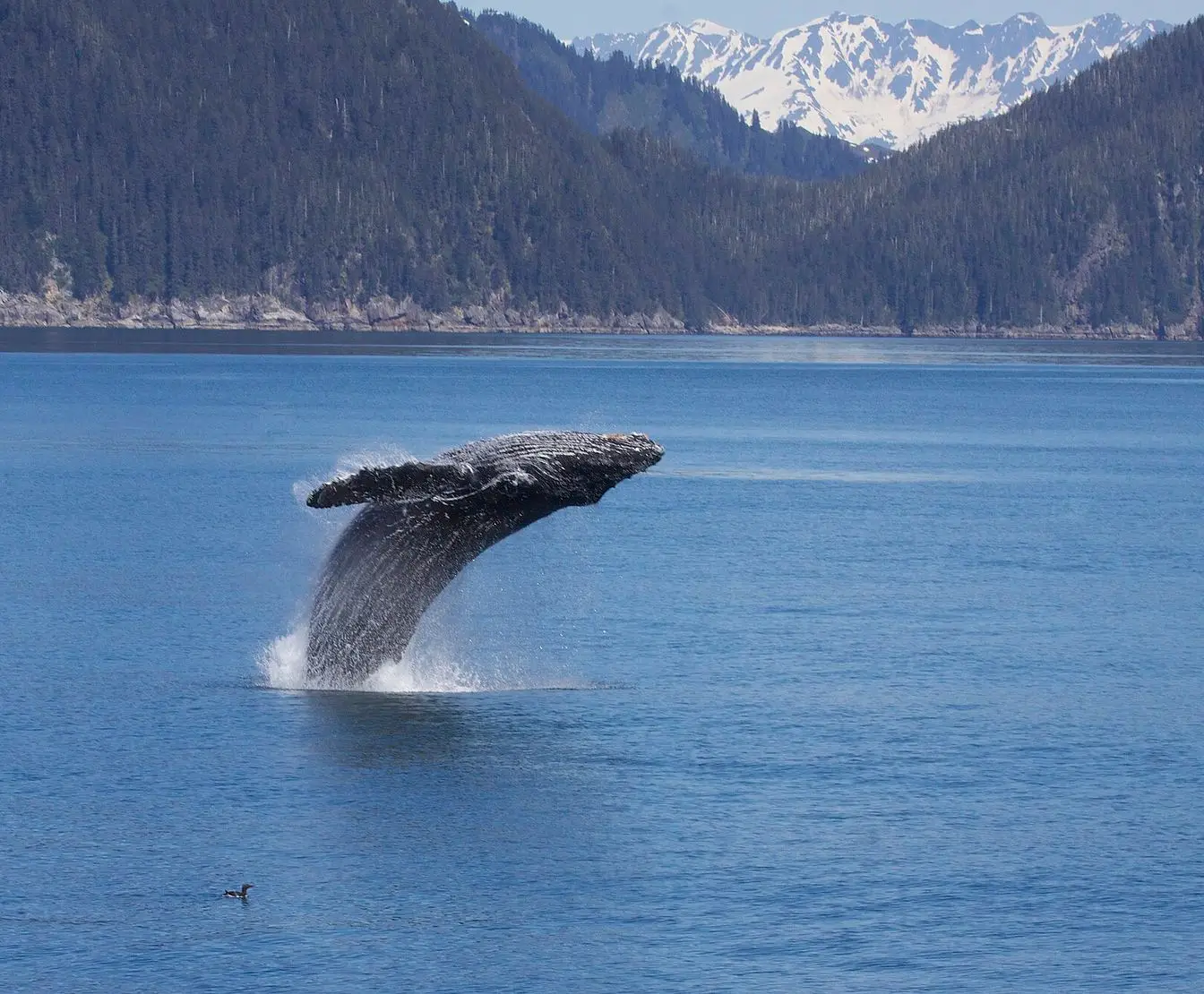
A humpback whale has been sighted close to Hurghada, in what divers and marine-activity workers on the Red Sea describe as a rare environmental event. They reported the sighting on Sunday, according to Al-Masry Al-Youm.
It is the first reported appearance of the species in the Red Sea since 2016, when a humpback was recorded in the Wadi El Gemal reserve and off El Quseir, according to information circulating among people working in the marine environment. Before that, a mother and calf were logged off Giftun Island and Magawish Island in 2011.
Dr Ashraf Sedik, a fish and fisheries specialist at the marine sciences institute in Hurghada, said the humpback is a marine mammal that gives birth to live young and nurses them, and that it breathes air through a blowhole on top of its head. The animal — known in Arabic as the "sea camel" for the curve of its back as it breaks the surface — grows to more than 11 metres and weighs between 30 and 40 tonnes, feeding on crustaceans, plankton and small fish. It lives in the Indian Ocean and can enter the Red Sea from the south on migration routes.
A professor of marine science at Al-Azhar University's faculty of science in Assiut, also quoted by Al-Masry Al-Youm, said the humpback has no teeth: baleen plates and fine bristles in its mouth filter seawater and strain out its food. Humpbacks are not known to attack people deliberately, he said, but anyone meeting one in the wild should keep a safe distance and follow safety rules.
Its movements are being tracked and its locations monitored, the report says, out of concern that it could be exposed to illegal fishing or other dangers while it remains in Egyptian territorial waters.
The same professor argued the whale could represent a new element of tourist attraction, given Hurghada's standing in diving and marine tourism and the reefs, islands and biodiversity-rich sites around it.
For dive boats, the practical questions are left open: the sources give no indication of how long the whale may stay off Hurghada, and no authority has published guidance on how vessels should behave if they come across it.