150 Young People From 15 Countries Planted Mangroves in Hurghada This Week
The 14th Coastal Environment Conference, running in Hurghada from 22 to 25 September under the theme 'Blue Carbon', took its delegates out to plant mangrove seedlings on the shore.
26 September 2026
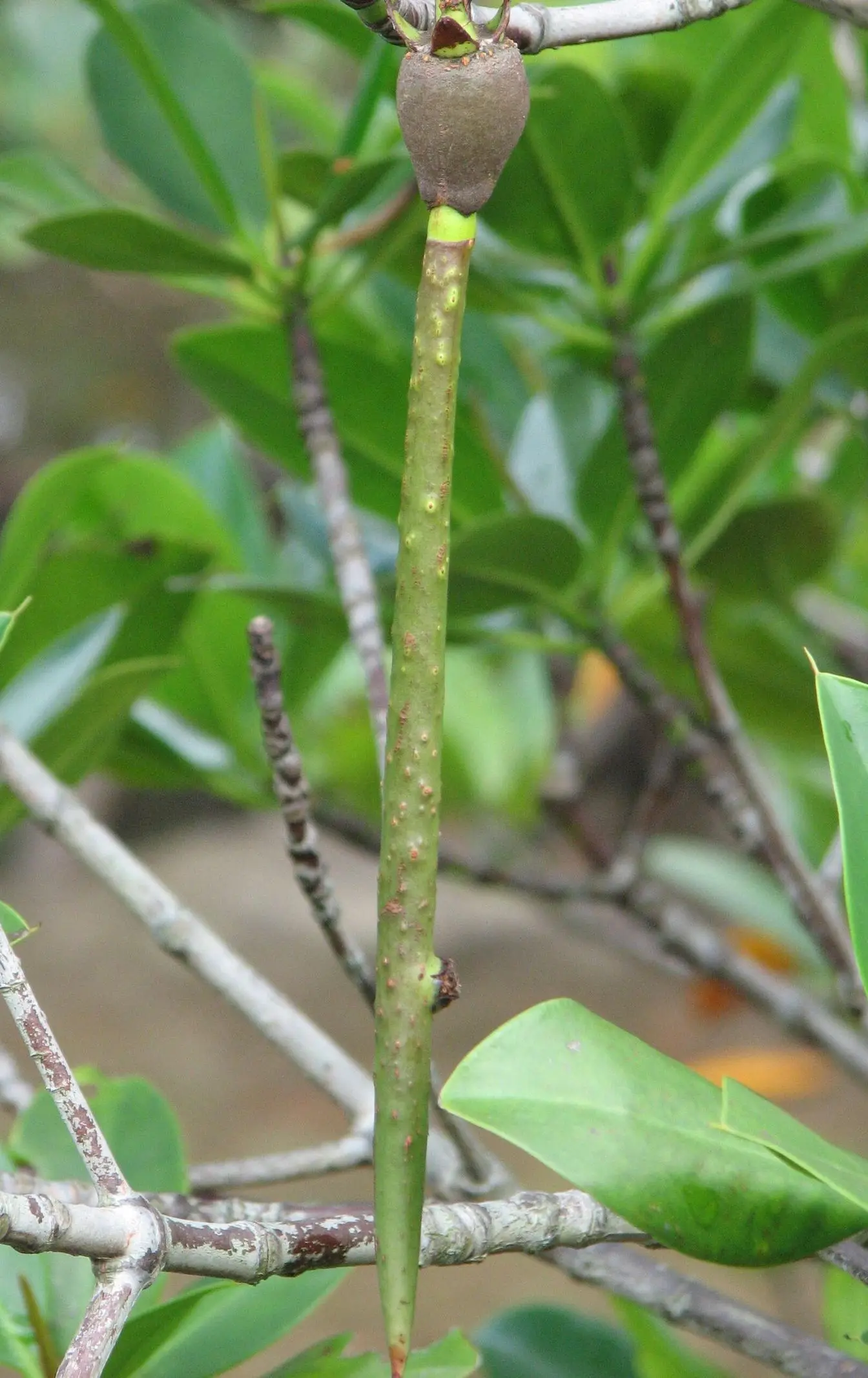
Delegates at the 14th annual Coastal Environment Conference in Hurghada went out to plant mangrove seedlings this week, turning the meeting's theme into a day's work on the shore, according to Sada El-Balad.
The conference runs from 22 to 25 September under the title "Blue Carbon: a lifeboat from climate change". It is organised by the Arab Union for Youth and Environment with around 150 young men and women representing 15 Arab and African countries, supported by the Ministry of Youth and Sports and held under the umbrella of the Arab League and the Council of Arab Youth and Sports Ministers.
Dr Sayed Khalifa, head of the Agricultural Syndicate and president of the Arab Union for Youth and Environment, said planting mangroves is a practical model of youth participation in protecting coastal ecosystems. Blue carbon, he explained, rests on the capacity of coastal and marine systems — mangroves and seagrasses above all — to absorb and store carbon, and Egypt has been cultivating and rehabilitating mangroves since the 1990s.
Egypt's coasts carry two main mangrove species, Khalifa said: Avicennia marina, known locally as shura, and Rhizophora mucronata, known as qandal. He pointed to a recently opened project planting 50,000 mangrove seedlings at Hamata, in the southern Red Sea.
Dr Mamdouh Rashwan, secretary-general of the union, said expanding mangrove forests protects marine life and limits coastal erosion, as well as widening the scope for ecotourism. The Red Sea Governorate has a comparative advantage here, he said, with reserves including Wadi El Gemal and Gebel Elba and islands such as Giftun, Hamata and Al-Mangal.
The forum's sessions, reported by Al-Nahar, covered environmental awareness, plastic waste and its effect on marine life, the role of technology and artificial intelligence in monitoring coastal environments, and international environmental law.
The reports do not say where on the Hurghada coast the seedlings were planted, how many went in, or who will maintain them. Mangroves matter here for a reason visitors see rather than read about: they hold the shoreline together, shelter juvenile fish, and are one of the few habitats on this coast that can be replanted at all.