The Red Sea's Yusr Desalination Plant Goes to a Private Operator in 4.6-Billion-Pound Contracts
The Yusr plant, 80,000 cubic metres a day, is the only Red Sea facility in a package handing the running and maintenance of 11 state desalination plants to private firms. The stated aim is fewer breakdowns and steadier supply; no start date or change to any town's supply hours was given.
18 October 2026
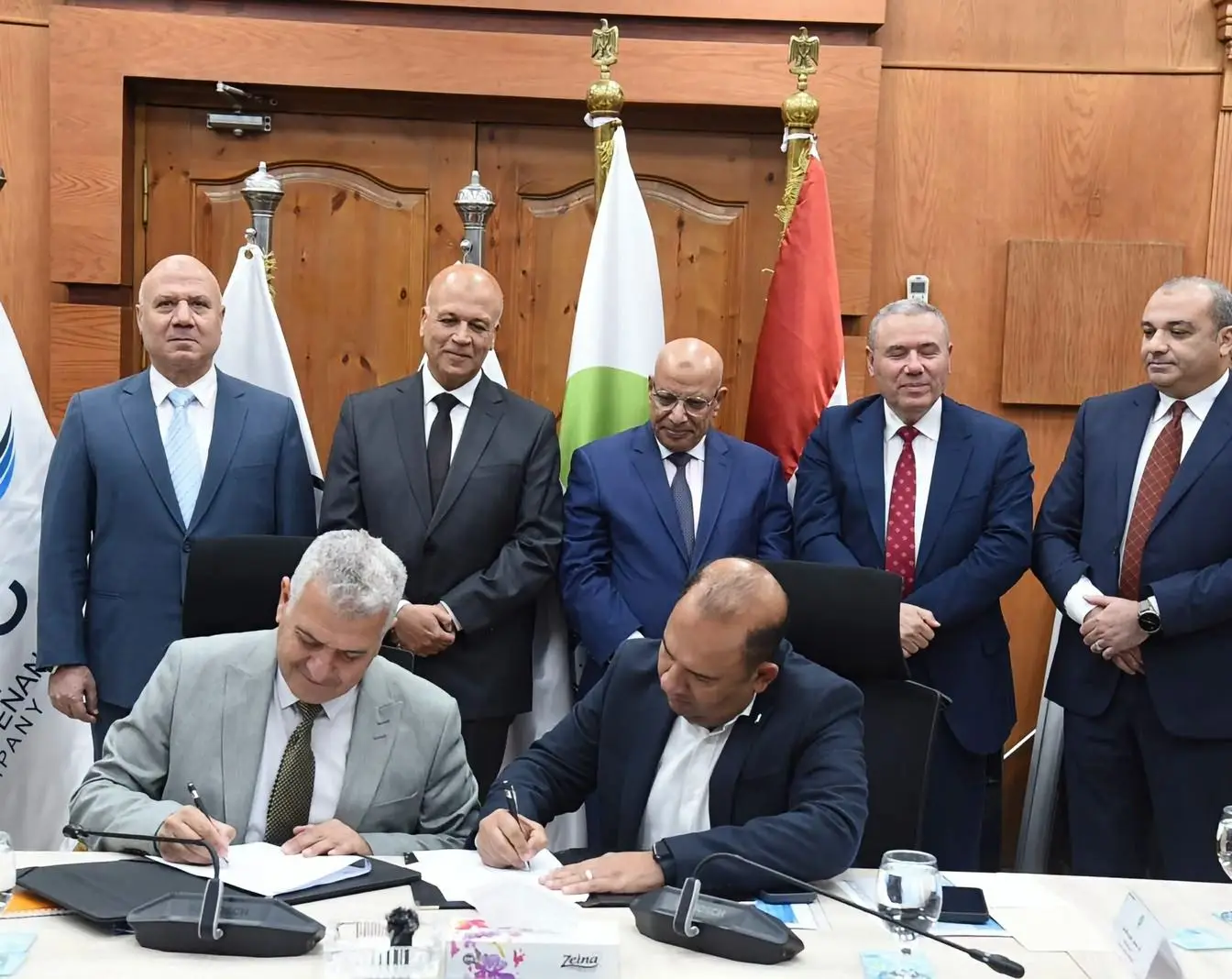
The Yusr desalination plant, with a designed capacity of 80,000 cubic metres a day, is the only Red Sea facility in a package of contracts worth about 4.6 billion Egyptian pounds that hands the operation and maintenance of 11 state seawater desalination plants to private companies.
The contracts were signed at a ceremony reported on 18 October, based on a statement by the Ministry of Housing, Utilities and Urban Communities. Together the 11 plants have a designed capacity of 485,000 cubic metres a day and belong to three drinking water and wastewater companies covering North and South Sinai, Matrouh and the Red Sea.
What the package covers
- One plant in the Red Sea governorate: Yusr, 80,000 cubic metres a day.
- Seven plants in North and South Sinai, 240,000 cubic metres a day in total, among them Kilo 17 west of Arish (100,000), Ras Sidr, Abu Zenima and New Nuweiba (65,000 combined), El-Tor and New Dahab (45,000 combined) and Sharm El-Sheikh (30,000).
- Three plants in Matrouh, 165,000 cubic metres a day in total.
Assem Shokry, deputy chairperson of the Holding Company for Drinking Water and Wastewater, put the total value at about 4.6 billion pounds, with an average annual cost of around 1.2 billion.
What it is meant to change
Ahmed Omran, Deputy Minister of Housing for Utilities, said expanding desalination capacity has to be matched by continuous improvement in operations and maintenance, and that the contracts are intended to raise technical readiness, cut breakdowns and downtime, improve energy efficiency and keep water quality and drinking water supplies reliable in the areas served.
Mostafa El-Shemy, chairperson of the holding company, said the aim is to move away from maintenance that mainly reacts to equipment failures towards preventive maintenance and advance planning. He said private participation would not reduce the role of the state water companies, which keep asset management, supervision, technical oversight and monitoring of contract compliance, and that the holding company will review the contracts periodically on operational efficiency, water quality, technical readiness and operating costs.
The private companies and consortia named in the statement are Egypt Maintenance Company (San Misr), Proserv, Orascom Construction, Metito and Orascom, Contrac for Services Management, and Elsewedy Utilities. The statement does not say which of them took the Red Sea plant.
The national picture
Housing Minister Randa El-Menshawy said Egypt has a desalination strategy running to 2050, meant to diversify drinking water sources and support urban, industrial and tourism development, particularly in coastal governorates and border areas. Egypt has around 129 desalination plants with a combined capacity of about 1.4 million cubic metres a day, with 19 more under construction adding 687,000, and the strategy targets close to 10 million cubic metres a day by 2050.
What it does not say
The statement does not say where the Yusr plant stands, when the Red Sea contract begins, or whether supply hours in any particular town will change. Earlier this month we reported that water was reaching parts of Safaga and El Quseir only every eight days.