Red Sea Towns Need About 90,000 Cubic Metres More Water a Day Than They Get, and Five New Plants Are Meant to Close the Gap
Red Sea Governor Waleed El-Barqi tells Al-Masry Al-Youm the governorate produces over 160,000 cubic metres of water a day while real demand runs about 90,000 above that. Five new desalination plants are in the pipeline — one already building in north Hurghada, four more for Safaga, El Quseir, Ras Ghareb and Marsa Alam.
10 October 2026
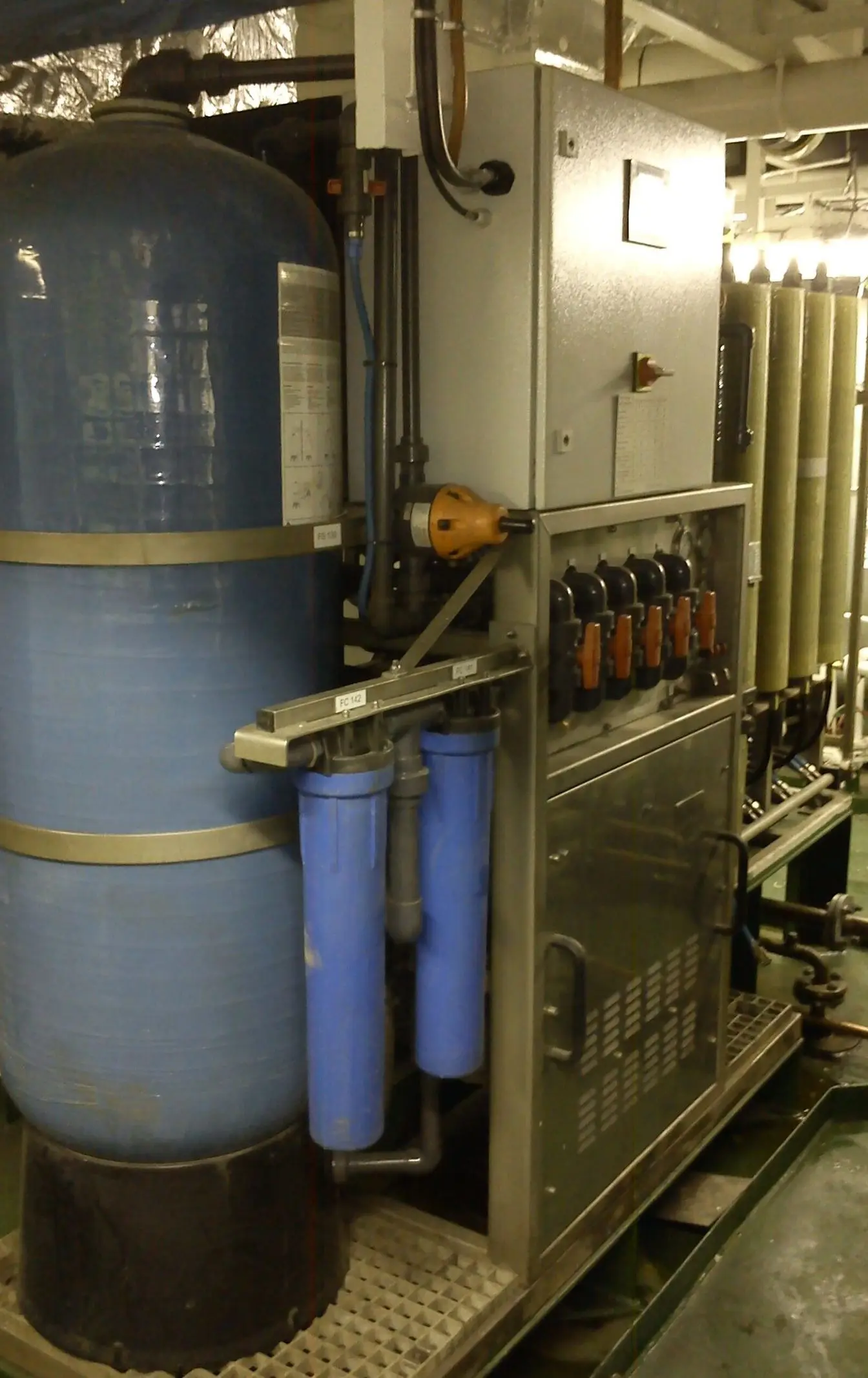
Red Sea towns are short of roughly 90,000 cubic metres of drinking water a day, and the governorate is betting on desalination to close the gap, Governor Waleed El-Barqi told Al-Masry Al-Youm.
Everything the governorate produces today — its desalination plants plus the long pipelines from the Nile — comes to more than 160,000 cubic metres a day, El-Barqi said, while actual demand exceeds that figure by about 90,000. The Red Sea Water and Wastewater Company currently runs 11 desalination plants and two purification plants. The largest is the El-Yosr plant in Hurghada, designed for 80,000 cubic metres a day — enough for the whole city when it was built, the governor said, but 2018's arithmetic is no longer Hurghada's in 2026.
Five new plants are in train. Construction on the first started in August 2026 in Hurghada's north districts, at 10,000 cubic metres a day, and is due into service within a short period. Executive procedures have begun on four more, together worth 85,000 cubic metres a day:
- Safaga — 30,000 cubic metres a day
- El Quseir — 25,000
- Ras Ghareb — 20,000
- Marsa Alam — 10,000
Separately, the El-Yosr plant is being expanded by up to 40,000 cubic metres a day, and in September 2026 officials discussed speeding up the tendering of two further plants, in Hurghada and at Zafarana. This site reported the Safaga plant on 6 October; the governor's account places it inside a much larger programme stretching from Ras Ghareb in the north to Marsa Alam in the south.
The reason the gap matters is in the plumbing. The coast also draws water through pipelines from the Nile — the Karimat line carries about 70,000 cubic metres a day and the Qena line about 21,000 — which means a single break hundreds of kilometres inland can empty taps on the coast. That is what happened in summer 2026, when the Karimat line fractured and supplies in Hurghada and Ras Ghareb were hit.
For residents and for hotels at peak season, the practical point is that every cubic metre made locally is one less that can be cut off by a pipeline failure upcountry. What the report does not give is cost, contractors, or completion dates for any of the five plants beyond "a short period" for the Hurghada one.