Environmental Consultant Urges Coral-Safe Design for New Red Sea Desalination Plants
An environmental consultant is calling on Red Sea Governorate to apply international best practices in designing seawater intakes for new desalination plants, warning that poor design could damage the coral reefs that anchor the coast's dive tourism.
11 August 2026
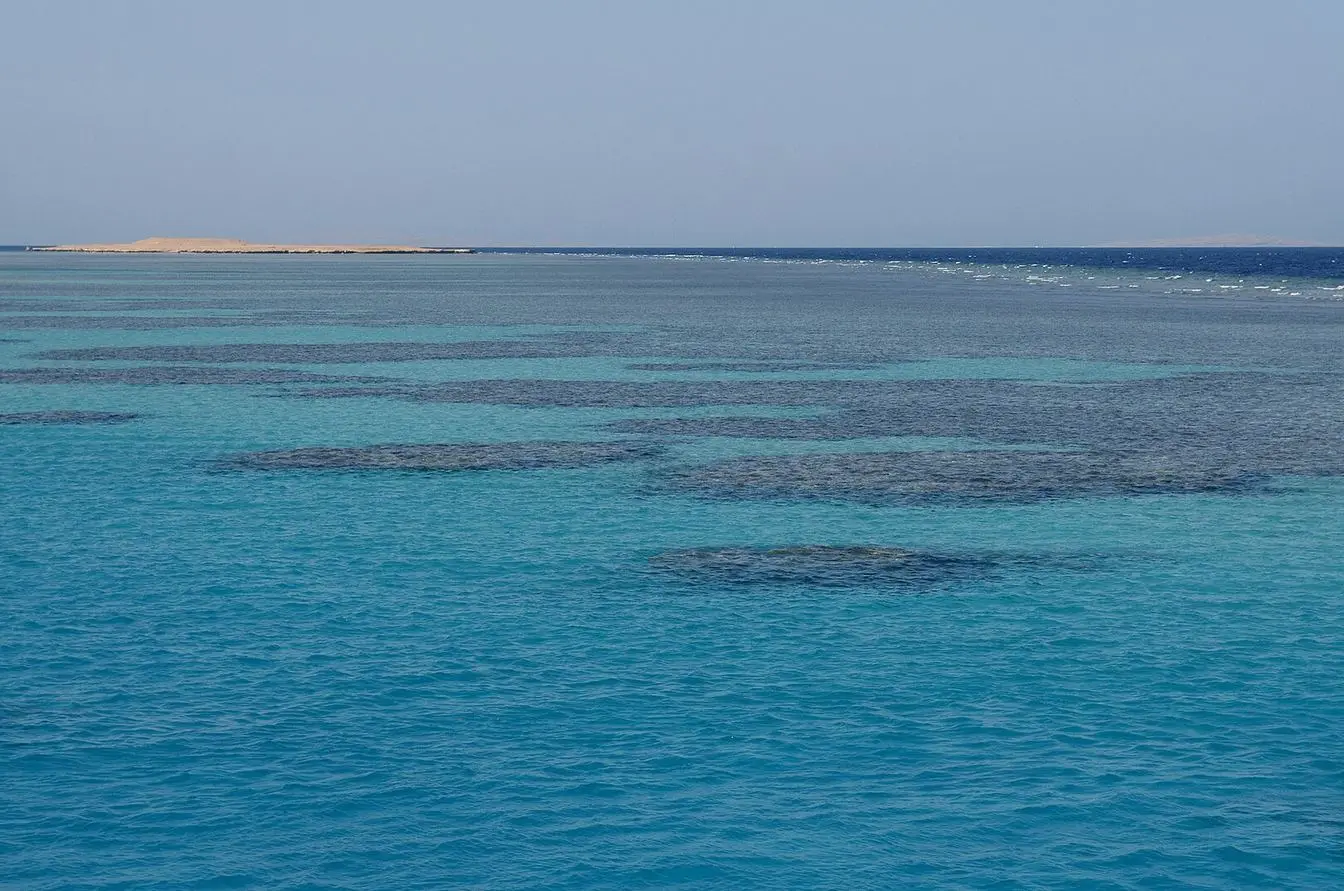
An environmental consultant has urged authorities in Red Sea Governorate to apply international best practices when designing the seawater intake structures of new desalination plants, to avoid damaging nearby coral reefs, according to Al-Masry Al-Youm.
The call comes as the governorate races to add desalination capacity to ease a chronic water shortage that has strained supply across Hurghada and neighbouring towns for weeks. Hurghada News has reported on a new plant north of Hurghada designed to produce 10,000 cubic metres of water a day, part of a wider push the governor has framed as the fix for the region's water crisis.
According to the consultant, how an intake structure is engineered — where it draws seawater from, how it is positioned relative to the seabed, and how it filters out marine life — determines whether a plant threatens the reefs close to shore. The Red Sea's reefs are a core draw for the coast's diving and snorkelling industry, one of the main reasons tourists choose Hurghada, El Gouna, Marsa Alam and other coastal towns.
The report did not name the consultant, specify which plants the recommendation applies to, or say whether any current or planned facility falls short of international standards. There is also no timeline for when — or whether — the governorate will adopt the suggested design practices.
For residents watching new desalination stations rise as a promised fix for water shortages, and for a tourism economy built partly on healthy reefs, the recommendation is a reminder that how fast the infrastructure goes up may matter less than how carefully it is built.