Where to Take the Kids on the Red Sea (By What Your Family Is Actually Like)
Six family archetypes, six honest verdicts — the toddler logistics unit, the snorkel-obsessed, the teens who need other teens. Which Red Sea base fits the family you actually are, with the catch each brochure leaves out.
1 August 2026
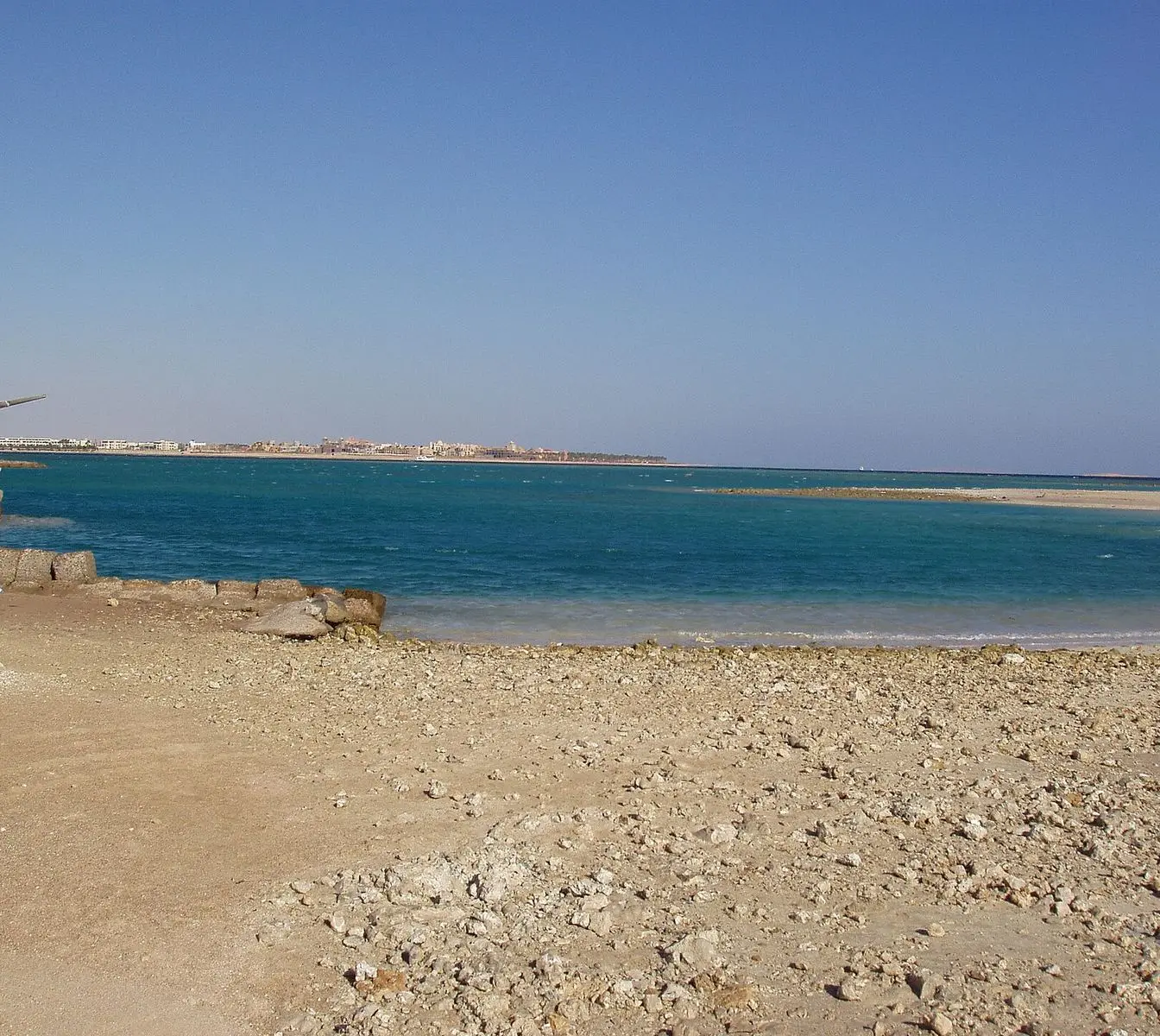
Every family that writes to the desk asks the same question: which town? Honest answer: the age of your youngest child decides this holiday far more than the destination — a resort that is perfect at six is a fortnight of vigilance at eighteen months. So here is the coast matched to families as they actually are, catch included, because a guide without the catch is advertising.
One thing first: Egyptians like children in a way that genuinely surprises northern European parents. Your child will be fussed over, picked up by a waiter and handed things all day, and a crying baby draws help rather than glares. It is the biggest single difference from a Mediterranean holiday — and the parents who find it difficult are almost always the ones nobody warned.
The toddler logistics unit
You travel with a nap schedule and a two-year-old whose relationship with the sea is strictly ankle-deep. Makadi Bay, thirty to forty minutes south of Hurghada's airport, suits young families more clearly than anywhere else on this coast. There is no town — only large resorts, most all-inclusive, many aimed squarely at families — and at this stage that is the feature. Sandy, shallow, safe water; Makadi Water World, genuinely large; several hotels with their own slide complexes. The sea itself is the clincher: warm, waveless, effectively tideless — a paddling pool that goes on forever.
Two catches. You are choosing a hotel, not a destination — if the resort disappoints, there is little around it to rescue the week. And ask the question hotel photography is designed not to answer: is the beach entry sand, or coral and a jetty? Many beaches here are the latter — fine for adults, a real problem for a two-year-old. Kids' clubs generally start at four, and European school holidays fill this bay: Easter and late summer are busier and pricier.
The snorkel-obsessed
Five to nine is the best age to bring a child to the Red Sea: they can snorkel properly, and their first mask-down moment is a fish-filled reef rather than a murky green nothing. Sahl Hasheesh, twenty-five to thirty minutes from the airport, is the kindest place for it — house reefs with real coral and fish life within swimming distance of the sand, plus a soft shallow entry for smaller siblings. Makadi is the understudy — jetties out to the reef edge, a reef better than its reputation — but quality varies sharply by hotel and jetties are generally guests-only: research the specific hotel's reef, not the bay.
The catch: evenings happen mostly inside the hotels, and the quiet is not always the peaceful kind — half-finished plots sit between the polished stretches. Book it for the sea, not the atmosphere. Pack long-sleeved UV tops — face-down snorkelling reliably burns backs — and reef shoes, which are not optional.
The teens who need wifi and other teens
From about ten upwards the real risk is not sunburn but evening boredom, and towns with something outside the gate earn their premium. By sixteen, an all-inclusive with nothing walkable is a long fortnight. El Gouna is the answer: somewhere to walk to, tuk-tuks and buses that run late and cost very little, and the year-round cinema at Abu Tig Marina. Better, the coast's two world-class sports are things a teenager can get properly into in ten days — Mangroovy beach is one of the best-known kite launches in the country, and a junior diving certification is available from ten, with depth limits until fifteen; from fifteen and a half it is a full adult certification.
The catch: El Gouna is the most expensive stretch of this coast by a clear margin, and it is a bubble. Hurghada runs the same outside-the-gate logic far cheaper, with more hassle. Do not book the dive course for the final three days: nobody can fly for at least eighteen hours after a dive, and one weather day breaks the plan.
The wildlife pilgrims
Your children do not want a water park; they want a turtle. Marsa Alam, the far south, has the best diving in Egypt — not a close call — with healthier reefs, clearer water and, crucially, big animals without a boat. Abu Dabbab's seagrass bay offers green turtles and a genuine chance of a dugong on a snorkel from the beach — a full boat day is eight hours and usually a bad trade for under-fives. Samadai reef has resident spinner dolphins under a managed access scheme. Flights use Marsa Alam's own airport; transfers run from about twenty minutes to well over an hour depending on your hotel — ask before you book, not after.
The catch is distance in every direction. Hotels advertised as "Marsa Alam" can be 80km apart, there is no town, and evenings are almost entirely hotel-based. If the family is not seriously into what lives underwater, you have travelled a very long way to sit by a pool.
The family that came to see Egypt
Some families cannot do the bubble. Hurghada is the coast's one real city — a quarter of a million people, hospitals, banks, actual neighbourhoods — and the only base where you can eat somewhere different every night, genuinely local and cheap, from koshary counters in El Dahar upwards. With children, a pharmacy at midnight is worth more than any swim-up bar.
The catch: the hassle is real and constant in the tourist areas, and learning to say no pleasantly and walk on is the skill that changes the trip. Town beaches are functional rather than beautiful — many of the good ones are attached to hotels or charge entry. Leave the pushchair at the resort: pavements outside are broken, high-kerbed and often absent — in the bazaar, a carrier is the realistic option.
The split family
One parent wants a spa and a book, a teenager wants wind, nobody wants entertainment programmes. Soma Bay, a private peninsula forty-five minutes to an hour from the airport, is built for exactly this split: reliable wind over a large shallow lagoon on one side, a reef wall dropping into deep water straight off a jetty on the other, plus the Cascades golf course and a large thalasso spa. The wind is most reliable roughly April to September.
The catch: this is explicitly not the bay for a water park and a busy kids' scene, nothing is within walking distance, and the isolation that makes it peaceful also makes it inescapable — if the resort is not right, you are stuck with it. It is priced accordingly.
The questions that outrank the town
Three questions decide more than the postcode. Is the beach entry sand, or coral and a jetty — the most consequential question and the hardest to answer from photographs. Are car seats available — honestly, taxis and most transfers here do not have them; some hotels and pre-booked private transfers can supply one if asked in advance and confirmed in writing — choose the ones that say yes. And for December to February, is the children's pool heated — the sea drops to the low twenties, evenings get genuinely cool, and a heated pool plus a fleece turns winter into the best family season on this coast. Then research the hotel far harder than the bay — that is where family holidays are actually won.