Safaga's 'Al-Maglah' Spring Is a Safari Stop Where Gazelles and Migratory Birds Come to Drink
About 16 kilometres from the abandoned phosphate village of Umm Huwaitat, water comes out of the rock some five metres above the ground. Youm7 reports the spring is a fixed stop on the desert safari trips that run from the resorts around Safaga, Soma Bay and Makadi.
15 October 2026
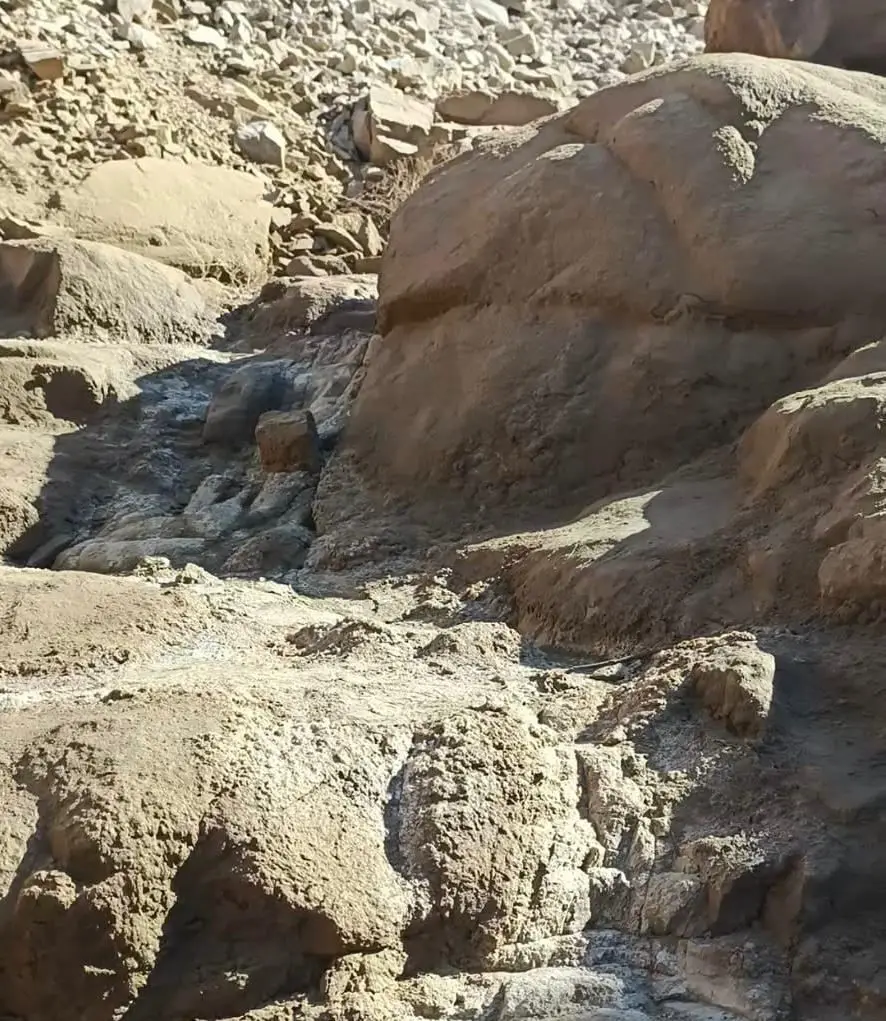
A natural spring in the mountains behind Safaga, which local people call Al-Maglah, has become one of the regular stops on the mountain safari trips that set out from hotels and resorts near Safaga, including the Soma Bay and Makadi areas, the Egyptian daily Youm7 reported in an article dated 15 October.
The water emerges from between the rocks at a height of about five metres above the ground, the report says, and comes out clear from underground. The name Al-Maglah, used by people in the area, refers to the clarity of that water.
Where it is, and what lives around it
Mostafa Fatihy, a mountain safari organiser quoted by Youm7, said the spring lies about 16 kilometres from the old village of Umm Huwaitat, in Safaga, and that it is an important watering point for wild animals and migratory birds that come to drink — particularly during the migration seasons — making it a natural water source in the middle of the desert.
He said wild animals have been recorded in the area around the spring, among them:
- the Egyptian gazelle
- the aoudad, the wild sheep known locally as al-kabsh al-arwi
Alongside tourist groups arriving on safari programmes, people who live in the area also visit the spring on day trips, he said.
The ghost village next door
Close to Al-Maglah stands old Umm Huwaitat, a village whose name was tied for a long time to phosphate extraction before it was abandoned. It later picked up the nickname "the village of ghosts and jinn". It was once known as the phosphate fortress, and extraction there was carried out under English administration.
The mines date back to 1902, when the English set them up to extract phosphate, then built housing for the people working them and later allowed them to bring their families, so that the site grew step by step into a complete village. It had workers' housing, schools and a mosque, and drew workers in particular from the Upper Egypt governorates. When the mining stopped the residents left, and what remains stands as a trace of an important period in Red Sea mining history.
What the report does not say
Youm7 gives no entry fee, opening hours, access rules or operator contact details for the spring, and names no booking route. It describes Al-Maglah only as a destination already included in existing desert safari programmes run from the resorts near Safaga.