The Nine Best-Known Red Sea Wreck Dives, From the Thistlegorm to the Salem Express
A Red Sea dive instructor names the nine wrecks divers ask for most, and a Hurghada marine scientist explains why the hulls are now reef. The report gives no depths, locations or prices.
14 October 2026
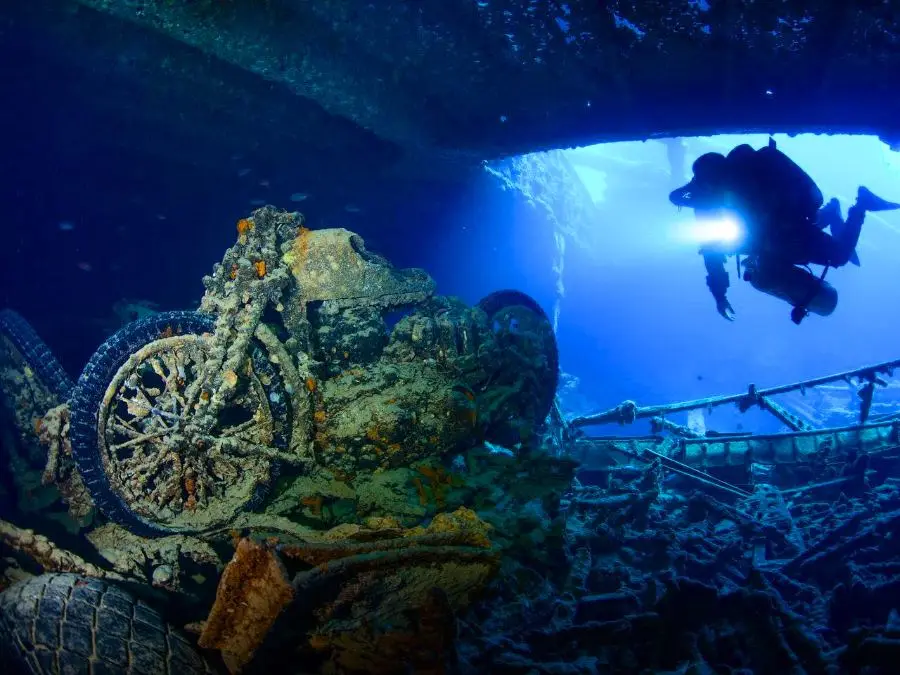
Dozens of wrecks lie on the floor of the Red Sea — warships, cargo ships, passenger vessels and fishing boats — and over the decades they have become dive sites that Al-Masry Al-Youm describes as open museums, visited by thousands of divers and holidaymakers.
Ahmed Beigo, a dive instructor on the Red Sea, told the paper the best-known of them are:
- SS Thistlegorm, which he calls one of the most famous dive sites in the world
- SS Rosalie Moller
- SS Numidia
- Giannis D
- Salem Express
- SS Carnatic
- Chrisoula K
- Kimon M
- SS Aida
How they came to be down there
The ships reached the sea floor in different ways — wars and naval conflict, storms and heavy weather, or accidents and human error, the report says. The Thistlegorm is bound up with the Second World War, and after it sank it became a site divers travel from around the world to see, for the remains, equipment and evidence of its wartime task still inside. The Numidia is known for how much of the ship survives in deep water, and the Giannis D for the mix of ship's remains, coral formations and the marine creatures that have made the wreck their home.
The Salem Express stands apart. The site is tied to a maritime disaster, and the report says it is handled with particular care as a place that holds the memory of those who died in it.
The Carnatic, Chrisoula K, Kimon M and Aida have, with time, become part of the underwater scenery, covered over by coral and marine life, and now draw divers, underwater photographers and people interested in maritime history.
The hulls are now reef
Dr Hussein Nasr, a coral reef specialist at the Institute of Marine Sciences in Hurghada, said the importance of the wrecks is not only historical and touristic. Over time the sunken hulls turn into environments that attract marine life and corals, becoming part of the underwater ecosystem, so a dive combines exploring history with watching marine life. Divers see hull sections, passageways and equipment alongside growing hard and soft corals, with fish gathered around them.
That reputation supports dive tourism, which the report calls one of the most important specialist tourism segments in the Red Sea's towns — Hurghada and Marsa Alam in particular, along with the south Sinai sites. Underwater photographs and video shared online have become a main route by which the region's wrecks, reefs and marine history are seen abroad.
Dive and marine-tourism workers quoted in the report say wreck sites are a particular kind of draw, because they put adventure, exploration, history and marine life in one place.
What the report does not cover
It gives no locations, depths or experience requirements for the individual wrecks, and names no dive centres, trip dates or prices.