Things Nobody Tells You Before a Red Sea Holiday
Sixteen genuinely surprising truths from the desk's own guides: the November sea, the Ramadan misunderstanding, the hotel-gate rule, and where holiday budgets quietly leak.
1 August 2026
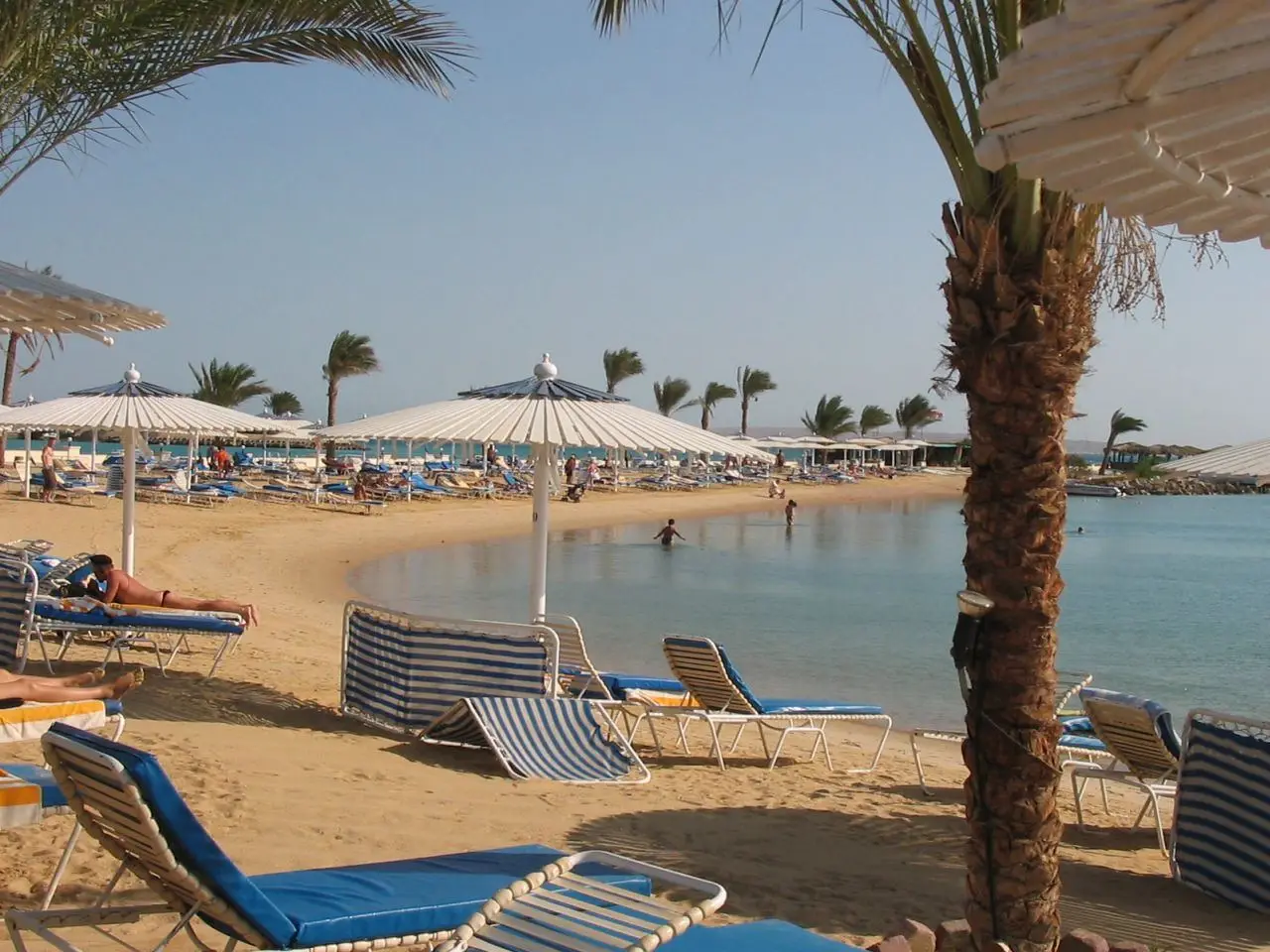
There is the brochure version of a Red Sea holiday — sun, reef, buffet — and there is the version regulars know: the facts the climate tables hide, the quiet rules nobody prints, and the places a budget leaks. This is the list our desk repeats to friends, drawn entirely from our own guides.
1. The sea is warmer in November than in May
Water cools slowly, and the sea spends autumn giving back the heat it took all summer. November holds around 25–26°C under mild, comfortable air. Anyone comparing the two months on an air-temperature table will pick May — and be wrong.
2. February, not January, is when the sea is coldest
The water lags the air by about six weeks, bottoming out around 21°C — fine for a swim, cold for a long snorkel, and the point where a 5mm suit is no longer optional for a diving day. The consolation: winter visibility is the year's best, and thirty metres is normal.
3. In August, the sea will not cool you down
At around 30°C you get out warmer than you got in. The summer day here has a fixed shape — outside before ten, shade until late afternoon, out again from six. Every resident does this; every first-timer learns it the hard way on day two.
4. The wind is hiding your sunburn
The breeze that makes the coast bearable also hides how much sun you are catching, and heatstroke and dehydration are the most common reasons visitors need a doctor here. The classic first-day mistake is a sunburn earned before the suitcase is unpacked.
5. Nearly every etiquette question is about the hotel gate
Egypt's Red Sea resorts are a carve-out. Inside the gate the norms are Mediterranean — swimwear at the pool, wine with dinner. Outside is an ordinary Egyptian working town, fifteen minutes away, and visitors get it wrong in both directions: over-covered at the pool, under-dressed in the market.
6. Alcohol is legal, and easier than people expect
It is served in every resort hotel, tourist restaurant and bar on this coast, with no permit to arrange — the single most common thing visitors get wrong before they arrive. One real caution: counterfeit spirits exist here, so drink what is poured in reputable hotels and licensed bars, and treat cheap "imported vodka" as the warning it is.
7. Ramadan barely touches a resort holiday
Hotels run normally through it — restaurants open, bars serving, beaches full. People cancel trips over Ramadan and then meet a completely normal holiday. Outside the gate the day is reshaped, and the evenings are the best atmosphere of the year. If you are invited to an iftar, go.
8. When you travel moves the price more than anything else
The same hotel room can differ by a factor of three between the second week of January and the first week of August, and shifting a week either side of a European school holiday saves more than every other decision put together. December alone splits in two: quiet and cheap until about the 20th, then prices roughly double.
9. Safaga is the same sea for a fraction of the price
It sits 15km from Soma Bay, which is a different price bracket entirely. Which town you pick changes accommodation, food and drink together — which is why it compounds over a fortnight.
10. Always pay in Egyptian pounds
When a card machine or ATM offers to bill you in your own currency, that is dynamic currency conversion: the machine sets the rate, and it is always worse than your bank's. There is no case where the other option is better.
11. Small notes are the real currency
ATMs dispense the largest notes and almost nobody on the street can break them, while taxis, kiosks and tips all run on small ones. Break big notes at hotels and supermarkets early, and keep a separate small-notes stash.
12. "Inshallah" is not always yes
It means "God willing", and depending on tone it spans a firm yes to a polite no. For anything that matters — a pickup time, a booking — get the specific: what time, and whose phone number.
13. Two men holding hands are friends
Male friends in Egypt hold hands and link arms, and it carries no romantic meaning whatsoever. Relatedly, "my friend" is a form of address — roughly "mate" — and commits neither of you to anything.
14. The tea is genuinely just tea
Being offered tea in a shop is hospitality, and accepting it does not commit you to buying anything. Visitors rarely believe this; refusing every time is the impolite option.
15. Leave the drone at home, and the shells on the beach
Drones need prior authorisation and are routinely confiscated at customs. Coral, shells and sand are protected under marine park rules, bags are checked at the airport, and this is enforced.
16. Two big excursions can cost more than your flights
A Luxor day is sold as one price, but entry tickets, lunch drinks and the expected tips are frequently on top, and the total can approach the headline price again. The question that works: ask what is NOT included, in exactly that phrasing.
None of this is secret. It is just the gap between the brochure and the coast, and closing it before you land is the cheapest upgrade there is. Forward it to whoever is packing.