What a Red Sea Trip Really Costs Right Now
The honest answer to the question everyone asks before booking — not a price list, which would be wrong within a season, but the ratios, the structure and the traps that survive a devaluation.
1 August 2026
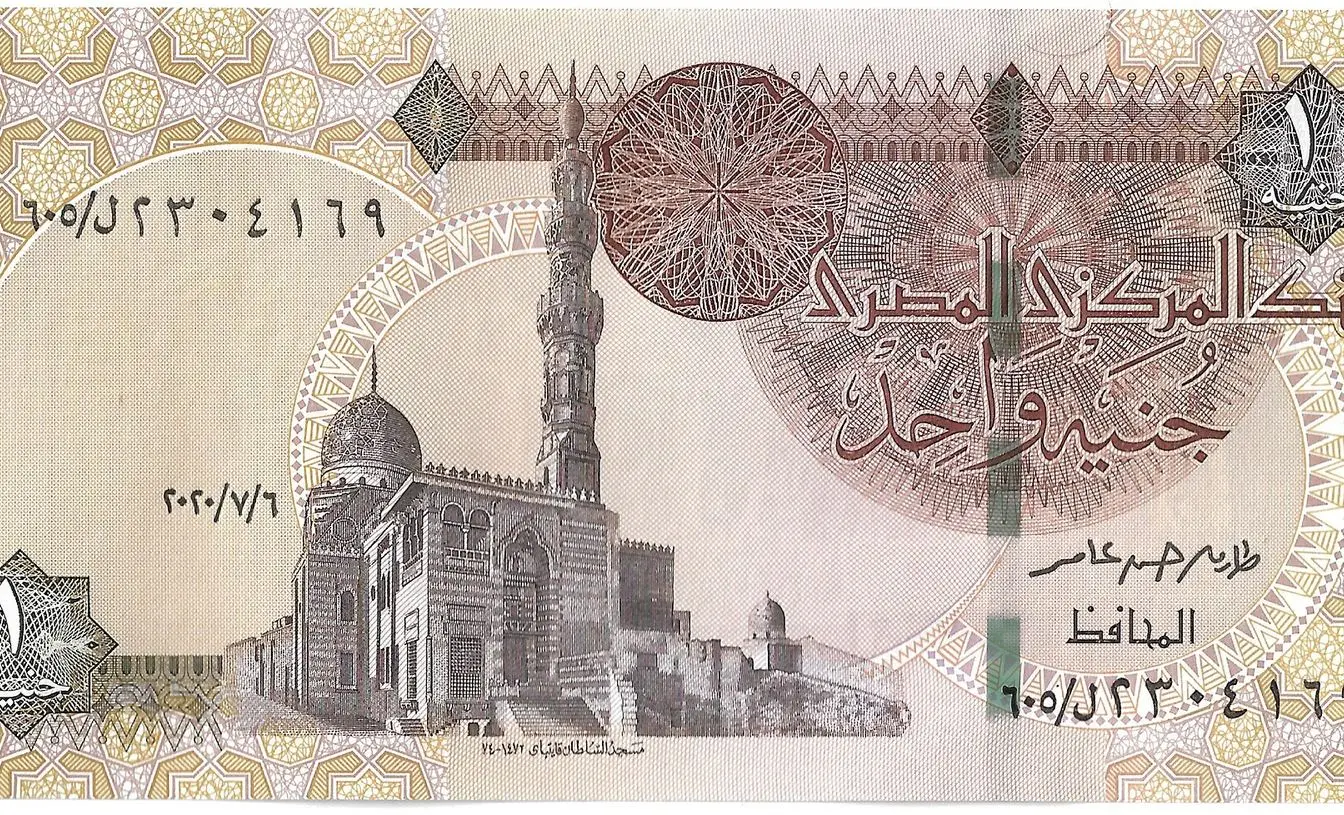
Everyone asks the same question before they book, and it is the one question this desk will not answer with a number.
Here is why. The Egyptian pound has been devalued repeatedly and hard, so a euro figure written today can be wrong by half within a year. Plenty of sites print one anyway, and a fair few earn a commission on the thing the price is quietly not attached to.
What follows instead is what survives a devaluation: ratios, structure, and the traps. Our cost research was last worked through in full on 25 July 2026.
The things that actually move your total, in order
When you come. The same hotel room can differ by a factor of three between the second week of January and the first week of August. The biggest lever, and the only one that is free to pull.
Which town you pick. El Gouna and Soma Bay are a different price bracket from Hurghada and Safaga — not a little different, a bracket. Safaga is fifteen kilometres from Soma Bay and a fraction of the cost for the same sea.
What your board basis covers. All-inclusive at a big resort removes most daily spending; at a cheaper property it often means local-brand drinks and a buffet, with everything you would actually choose charged as an upgrade.
Time in the water, and days out. Diving is the largest discretionary cost here; snorkelling from a beach costs nothing at all. Two big excursion days can cost more than the flights, and the same seat on the same bus differs by a wide margin between a hotel desk, a street agent and the operator.
Six things you will price in your first week
Dinner. The town you eat in moves this more than the restaurant you choose. Cards work in the larger places; the small good ones are cash.
A taxi. The number is agreed before the ride, not at the end of it — not distrust, just how the transaction works here, and skipping it produces the arguments. No tip is expected on an agreed fare. A driver who then asks for more is reopening the negotiation.
A boat day or excursion. Sold as one price. Site entry tickets — on a Luxor day the largest single component — plus lunch drinks and the tips at each stop are frequently on top, and the total can approach the headline price again. Ask what is not included, in exactly those words.
A dive package. Usually dives with tanks and weights, a guide and the boat. Usually not kit hire, marine park fees, port fees, nitrox or the boat tip — over a week, a substantial addition rather than a rounding error. Packages beat singles per dive, breaking even at around five. Ask for the week's total, all fees and kit in.
A beer. The gap between "all inclusive" and "premium all inclusive" is almost entirely drinks: local spirits and draught in; imported brands, most cocktails and the beach bar after a certain hour frequently not. Ask for the included drinks list in writing. A hotel that will not send one is telling you something.
A SIM card. The one line here our cost research does not cover, and we will not invent a figure to round the set out. Ask at the airport and at a phone shop in town, and expect two different answers.
The costs that are in nobody's budget
- Being billed in your own currency. Machines here routinely offer euros or pounds instead of Egyptian pounds. The machine sets that rate and it is always worse than your bank's. Choose Egyptian pounds, always — the "no fees" line on the screen refers to a fee already inside the rate.
- ATM fees, twice over. Egyptian ATMs charge per withdrawal on top of whatever your bank charges, and limits are low enough that a fortnight means several.
- The transfer you did not need. A pre-booked private car for a thirty-minute run costs several times a taxi or a ride app, and is sold as though the alternative did not exist. On the Hurghada–El Gouna corridor it does. Book it for Marsa Alam and the far south, where it genuinely helps.
- The bag you did not pay for. Charter and low-cost carriers price hold luggage and dive kit separately, and dive gear is heavy.
- Tipping. Woven through daily life far more than in Europe; a fortnight of it is a budget line, not loose change.
Carry small notes constantly — change is genuinely scarce, and "no change" is often a negotiating position rather than a fact. Cash still rules outside the resorts: taxis, markets, small cafés, tips, most of the interesting parts of a day. Do not change money at the airport, because arrivals is the worst rate you will see. And a visa bought on arrival is paid in cash foreign currency with torn notes refused, which is the last good reason to carry physical euros or dollars.
None of that tells you what a week costs, which is the point. Move your dates, pick your town on price as well as looks, ask what is not included, and pay in pounds. Those four decisions move your total further than any figure we could have printed — and unlike the figure, they will still be true next season.